




A year after SB 59, which provides students with free breakfast regardless of their eligibility for free and reduced lunch, was signed into law by Governor Sarah Sanders, the benefits and ramifications of the bill have become clear.
Stephanie Hynes, the district’s nutrition specialist, says that unrestricted access to food is important for students.
“As a director of child nutrition or the leading lunch lady, I do more than find food and feed kids. I have a vested interest in the future. If you feel that high school is a great, safe space, then you’ll think of community when you think of food. You’ll think of socialization. I’m a support department. My job is to support the education process, and what better way to do that than to feed people,” Hynes said.
To feed people for free, however, is a massive feat. The funding for free food comes from federal reimbursements and the repurposing of medical marijuana tax revenue.
“The government reimburses us to offset the costs of the meals. So for lunch, they reimburse us like a little over $4, which is not a lot of money. And then for breakfast, a little under $3. And so out of that money, we have to purchase food. We have to pay for our labor, all of our employees, and the childcare employees. And of course, our trucks,” Hynes said.
Even though the nutrition department serves the LRSD, they are still self operated. This makes federal reimbursements their only source of revenue. A way to offset the high costs they face is through higher student participation.
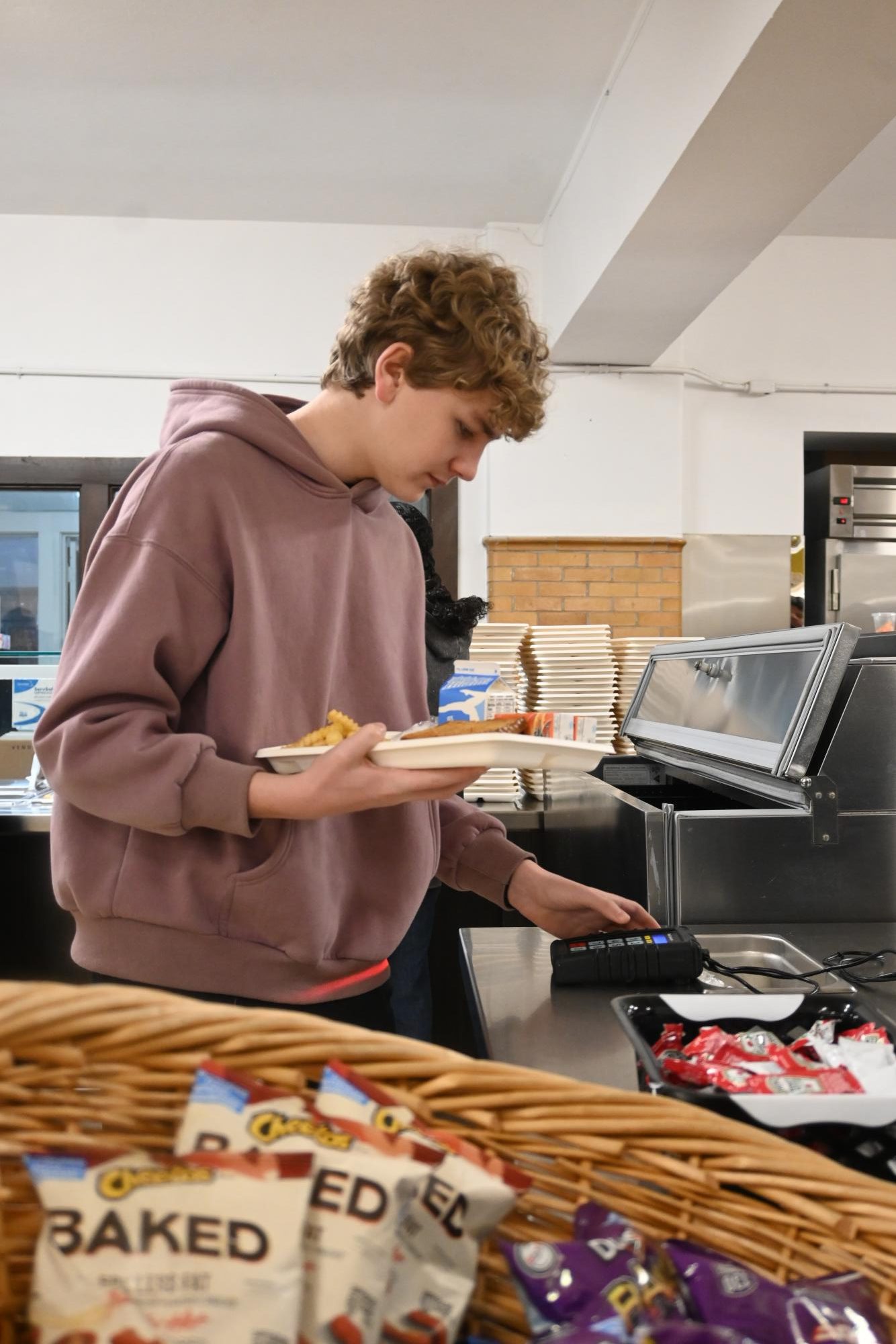
“If a child takes a meal without entering their ID number, or if our cafeteria manager or worker doesn’t capture the meal, we don’t get reimbursed. We are still sitting at a high meal debt, most of it being carried over from last year,” Hynes said.
The current breakfast participation for the LRSD is less than 40% of the population of 20,000 students. The district feeds a little under 9,000 students breakfast meals per day.
“I’m not happy with our breakfast participation. A lot of that, though, is not under our control. We don’t have a lot of time to capture those kids who walk to school or whose parents don’t get them to school [on] time,” Hynes said.
Lunch participation rates are significantly higher than breakfast, sitting at about 70%. Some days the LRSD feeds almost 15,000 students out of the total 20,000 at lunch, which is a significant increase from last year’s rates.
“We have just been awarded a grant to increase participation in all of our schools. Our goal is to buy mobile carts and go wherever the kids are hanging out. We have a little contest going on. [Our plan is] to reward participants who eat more often. We’re going to reward our staff members who are actively going out and finding where the kids are, and those who are making sure everyone has their ID badge and puts their ID number in. That way we can capture our money and we won’t have meal debt anymore,” Hynes said.
In the years before the free lunch and breakfast bill, the LRSD had accumulated a meal debt of almost $200,000 that they have been working hard to pay off. They have received grants from the non-profit No-Kid Hungry and have worked diligently with Kathy Webb, the Vice Mayor of Little Rock, to make over $100,000 to pay off student meal debt.
“We pay off the seniors’ debt first, and then we pay the juniors’ off. And this year, we’re working on sophomores and freshmen because that debt will still follow them even though this year, the meals are all free. And so we don’t want it to be a barrier when they get to the senior year.” Hynes said.
Even though the LRSD has such a high meal debt, Hynes said that they are deeply committed to making sure every student eats high-quality, healthy food.
“I want us to always be able to feed every kid at no cost, but also, I want our customers to eat. I’m committed to making certain we procure high-quality food. What might change is the number of offerings because that chicken wing ain’t cheap. The Doritos brand ain’t cheap. That burger is very expensive. Last year, the burger was not soy-free. So every time we’re able to improve an outcome, it costs more because, you know, healthier food costs more,” said Hynes.
