Whether you choose to spend your movie night rooting for childhood best friends Jenna and Matt in “13 Going on 30” or watching Jack pine for Lucy in “While You Were Sleeping,” watching a rom-com is a heartwarming way to escape from reality. Viewers can easily become invested in meet-cute plotlines or slowburns instead of focusing on the world around them.
This genre seems like a Hollywood cheat code for making lovable movies. However, while the overall number of rom-coms released has remained relatively the same since 1980, the number of these films I consider watchable has decreased. This leads me to wonder: how did the movie industry manage to ruin the successful rom-com genre, and is a rom-com renaissance possible?
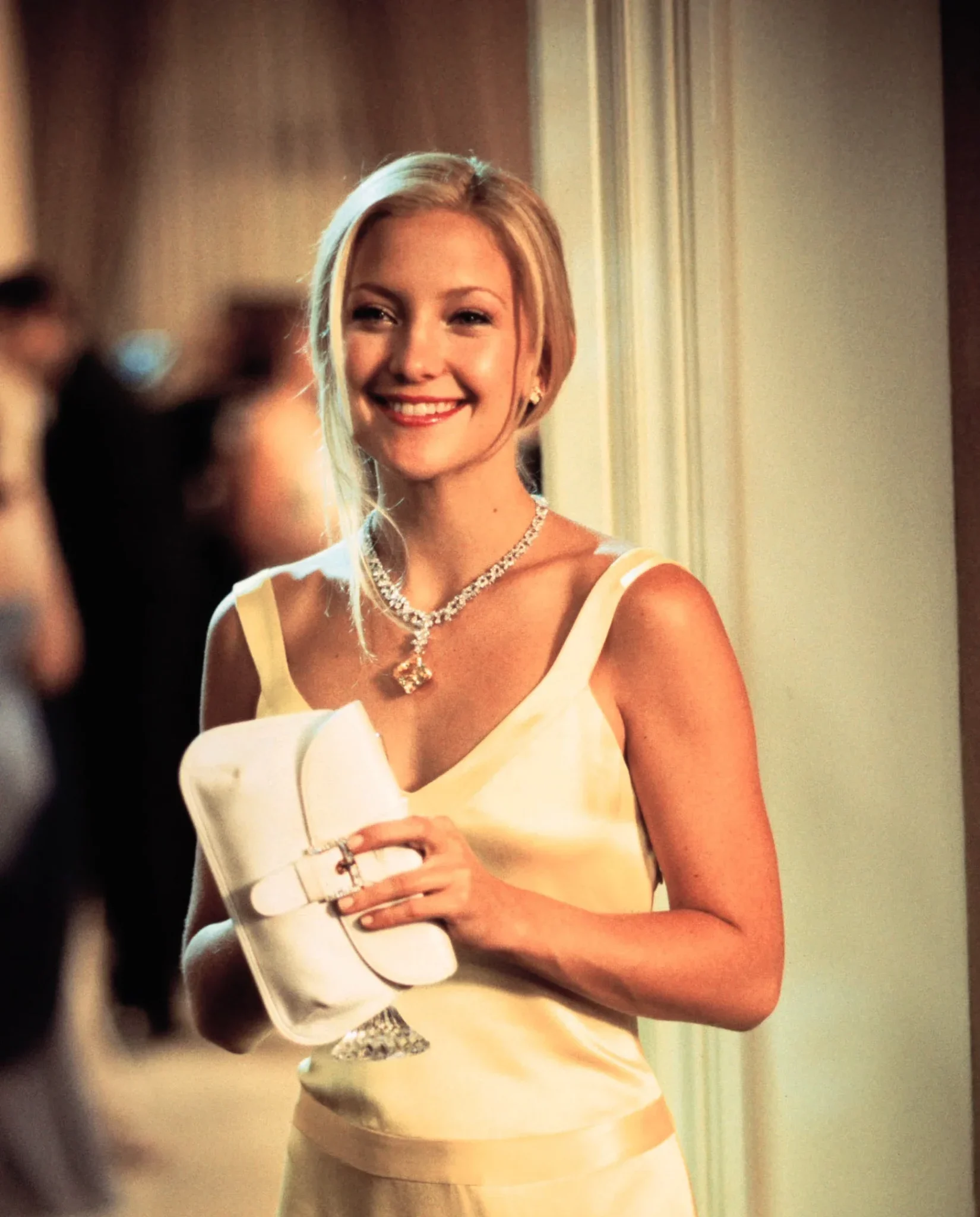
Every decade in Hollywood comes with new production norms and improved equipment, such as overbright lights that make characters appear flat, commonly referred to as “Netflix Lighting.” Some genres welcome these changes with open arms, but I would argue they make new rom-com movies feel stale. In rom-com films released in the “peak of rom-coms,” the ‘90s through the ‘00s, production typically used film cameras and warm lighting. Filmmakers leaned into this and created most rom-com films with romantic pastel color palettes that complement the film camera, featuring light pinks, sage greens, and yellows. These colors are also carried through into iconic character costuming decisions like Andie’s yellow dress in “How to Lose a Guy in 10 Days.” Modern rom-coms choose to disregard these classy costuming choices, preferring to have love interests dressed in t-shirts and shorts.
Maybe it’s just the romantic visuals and an overwhelming feeling of nostalgia that makes the cheesy rom-com scripts of the 90s and 00s feel genius, but this attempted comedic writing style falls flat in new romcoms. An embodiment of this rom-com writing downfall is Jenny Han’s book-to-movie adaptation of “The Summer I Turned Pretty.” The original book’s story had redeemable plotlines and a story that easily intrigued readers; however, once writers filled the show adaptation with slang-heavy dialogue, many scenes of the show became unwatchable.
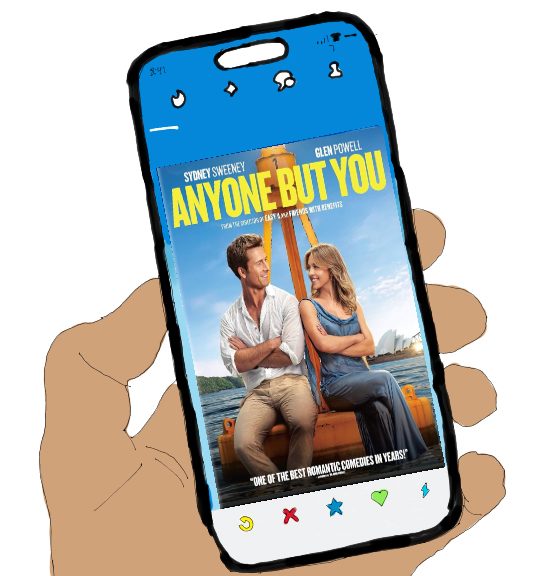
Some of this writing can be blamed on new trends in modern dating, such as finding dates by swiping on dating apps, making the meet-cute scenarios of rom-coms extremely unrealistic. Of course, rom-com plots have never mirrored real-life romance, but modern dating culture is the most detached from rom-coms that romance has ever been. When watching newer rom-coms, it’s easy to feel that the typical plots of rom- coms are “cringe” in modern contexts or foolish. This situation becomes even worse when rom-com films try to replicate modern dating in their films by including scenarios like the love interests meeting on Tinder, removing the feeling of escapism for viewers.
Though some modern romantic films, that I typically categorize as rom-dramaities, like Damien Chazelle’s “La La Land” have received a five- star rating on my personal Letterboxed, attempted rom- coms released in the past twenty years are lacking their nostalgic rom-com warmth. Maybe this is a result of modern dating culture, lighting changes, or bad writing, but whatever the excuse is, movie watchers miss the classic rom-coms.
Recently, rom-com watchers have considered the possibilities of a “rom-com renaissance” driven by recent releases like “Anyone But You” (2023) and “Crazy Rich Asians” (2018). Though these films do give me hope of a change in Hollywood, it’s hard to know if this renaissance is just a blip in a failing movie genre or the start of a larger revival. Either way, it’s nice to see a light in the darkness of slag-filled rom-coms with “Netflix Lighting” and bad costuming.